
LOW-VOC PAINT: Does It Actually Matter for Your Home?
When homeowners start planning an interior painting project, one term they may come across is “low-VOC” or “zero-VOC” paint. But what does that actually mean—and is it something you need to specifically request from your painter?
VOCs, or volatile organic compounds, are chemicals that can evaporate into the air as paint dries. They contribute to the familiar “fresh paint” smell and are one reason proper ventilation has traditionally been important during interior painting projects.
The good news? Paint technology has changed considerably.


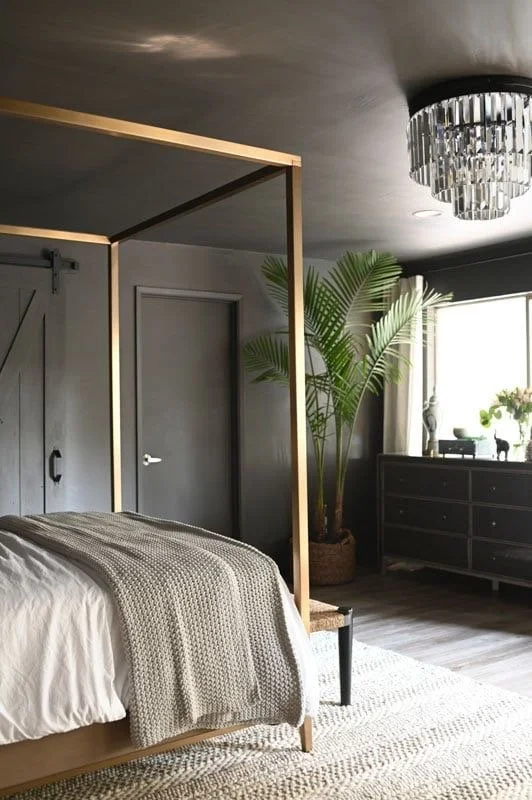

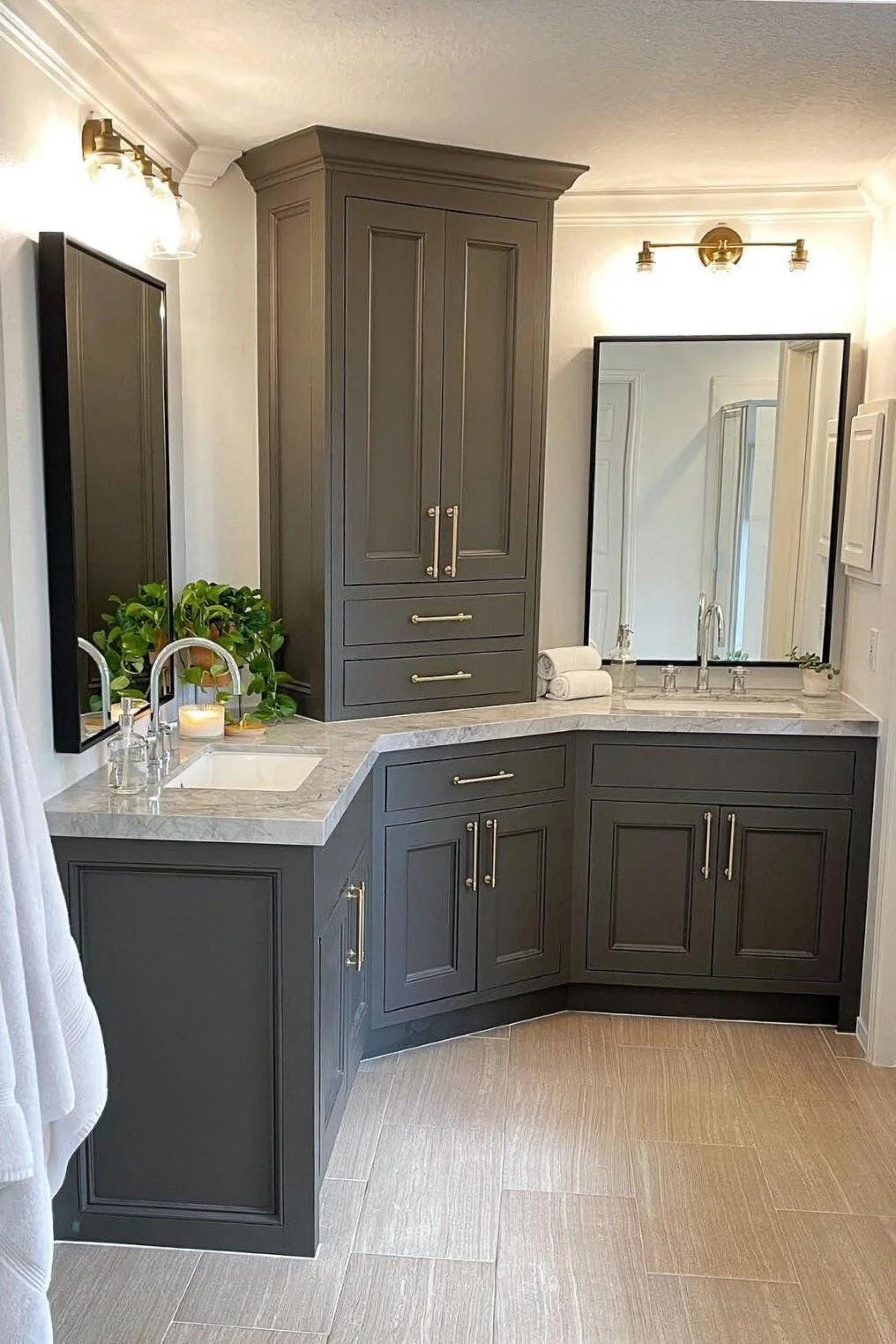
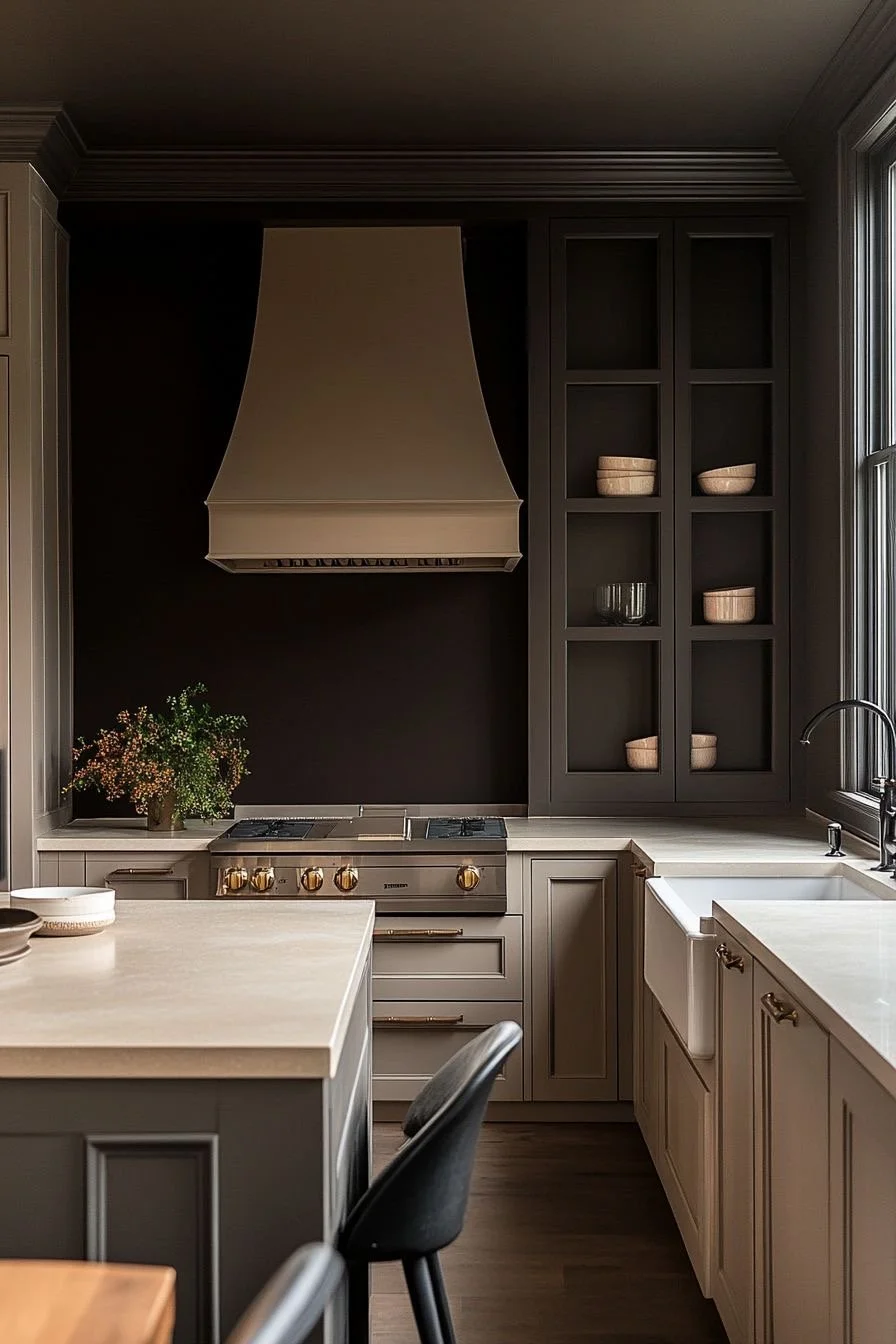

At Adkins Paint & Drywall, we primarily use professional coatings from Sherwin-Williams, and many of the water-based architectural products available to us today are already formulated with very low or zero VOC content. Sherwin-Williams specifically maintains a broad selection of coatings designed to meet VOC guidelines and environmental standards.
For example, ProMar 200 Zero VOC, a professional interior coating, is formulated with zero VOCs and is GREENGUARD Gold certified. Sherwin-Williams also offers SuperPaint with Air Purifying Technology, which has a zero-VOC formula and is designed to help reduce VOC levels from other potential sources in the home.
Even the tinting process has changed. Sherwin-Williams' ColorCast Ecotoner® colorant system doesn't add VOC content when paint is tinted, meaning homeowners aren't necessarily sacrificing their color choices to get a lower-VOC product.
So, do you need to request low-VOC paint?
In many cases, no—and that's actually the exciting part.
When you're working with a professional painter like Adkins Paint & Drywall, using modern, high-quality coatings, low-VOC options are no longer limited to niche “green” paint lines. Many of the products we regularly work with already meet low- or zero-VOC standards.
That doesn't mean every coating is zero VOC, however. Different surfaces require different products, and primers, specialty coatings, stains, cabinet finishes and certain exterior products can have very different formulations. That's why we select products based on the surface, environment, durability requirements and desired finish rather than treating every project the same.
Why does lower VOC content matter?
For homeowners, one of the most noticeable advantages can simply be the experience of having your home painted. Lower-emission products can mean less paint odor and fewer chemical emissions during application and drying. Sherwin-Williams describes its ProMar 200 Zero VOC line as having virtually no odor and being suitable for occupied spaces.
That's particularly valuable when we're painting homes where families still need to live, work, cook and sleep while the project is underway.
And choosing lower-VOC products doesn't automatically mean sacrificing performance. Today's professional coatings can combine lower emissions with the characteristics we care about as painters: coverage, washability, durability, hide and a quality finished appearance.
Our approach at Adkins Paint & Drywall
We don't believe homeowners should have to become paint-product experts before hiring a painter.
Because we work extensively with Sherwin-Williams products, we can recommend the appropriate coating for each part of your project while considering finish, durability, washability, color, application and VOC content.
For customers who are particularly concerned about odors or indoor air quality—or who specifically want a zero-VOC product—we can also discuss those priorities during the estimate and select an appropriate Sherwin-Williams system.
The takeaway: Low-VOC paint absolutely matters, but it isn't necessarily something you need to pay extra for or hunt down yourself. Modern professional paint technology has made lower-VOC coatings much more accessible, and many of the products we already use are designed with lower emissions in mind.
Adkins Paint & Drywall
Where Family Values Meet Flawless Finishes.™